
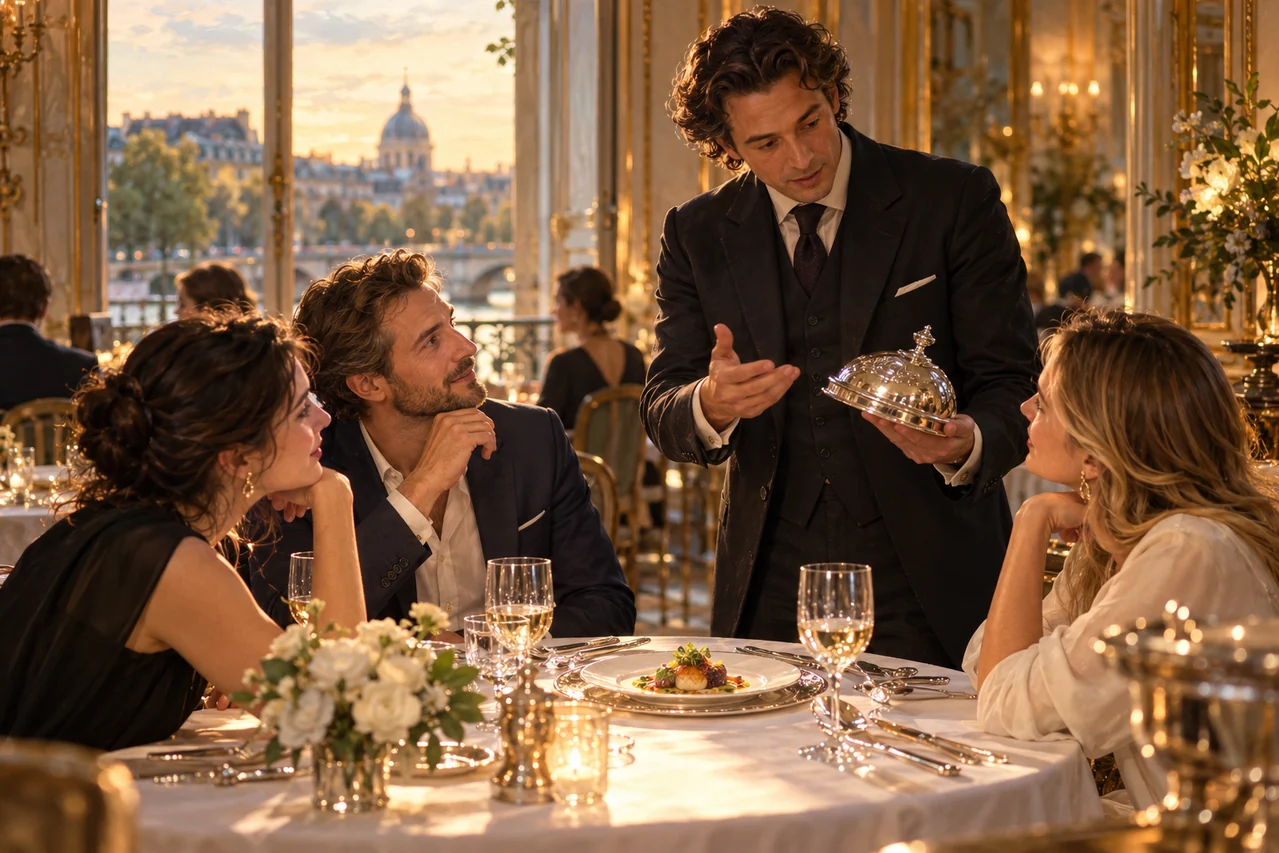
Begin with the person's passion
A knowledgeable cook, a wine enthusiast and a guest who enjoys fine restaurants may want different things from a gastronomic journey. Establish whether the priority is products, technique, hospitality or cultural history. This prevents the program from equating interest in food with a desire for as many meals as possible. A clearer profile also helps set the level. Experienced guests may need depth and specialist conversation, while others benefit from a broad introduction that gives later experiences a useful vocabulary.
Let ingredients introduce their wider setting
A market or a carefully chosen product-focused visit can reveal seasonality, places of production and craftsmanship. These are planning possibilities rather than current recommendations for particular venues. Their purpose is to help guests see food before it becomes a finished restaurant experience. The advisor should select an arrangement that actually suits the guest's interests and confirm its practical details. A concise, relevant introduction can provide more value than a long series of tastings whose relationships remain unclear.
Craft can change the role of the visitor
Where an appropriate activity is arranged, culinary or food-related craft allows guests to move from consuming toward understanding a process. Its complexity should match their experience. A sophisticated traveler may find a basic demonstration unhelpful, while a family may appreciate something accessible and concrete. The itinerary should not promise a specific workshop without confirmation. The cultural point is the change of posture: seeing how something is made can sharpen attention during later meals, making craftsmanship part of the journey rather than an abstract claim of quality.
Vatel adds the history of hospitality
A Dinner with Vatel introduces food as a way to understand aristocratic organization and society. The dinner's cultural logic differs from a cooking lesson or a contemporary restaurant visit. Guests can examine how supplies, service and rank interacted in the seventeenth century. The Encounter gives the meal a human organizer whose viewpoint reveals work behind prestige. For guests who already know French food well, that historical perspective can offer a fresh question instead of another familiar account of famous dishes and celebrated chefs.
Choose among distinct narrative worlds
Tea with Marie-Antoinette and A Tasting with Veuve Clicquot open other characters, periods and subjects. The former can lead toward image and sociability; the latter toward Champagne and entrepreneurship. They should not be presented as interchangeable gastronomic products or automatically combined in one crowded day. History at the table across periods offers a coherent longer theme if guests have the time and interest. The professional's role is to choose what each Encounter adds, keeping chronology and purpose explicit.
A contemporary restaurant can become a new chapter
After examining products, craft or earlier forms of receiving, guests may observe a current dining experience with greater attention. Service, presentation and ingredient choices acquire context. This does not require labeling the restaurant as a continuation of Vatel's household or inventing direct historical descent. The relationship is analytical. Travelers compare what they have learned with what they are now experiencing, allowing pleasure and observation to coexist without turning dinner into a lecture or requiring every plate to symbolize a historical point.
Protect appetite and attention
Several substantial tastings and meals can reduce pleasure if arranged without space. The itinerary should account for quantity, timing and the group's energy, particularly on multi-generation trips. Hospitality professionals may prefer discussion of coordination and service rather than a high volume of consumption. Families may need simpler pacing. Premium planning includes choosing fewer elements when that gives each greater impact. The best food journey alternates modes of discovery rather than tries to justify itself through the number of prestigious addresses reached.
Build a cultural journey rather than a menu
Elyrea's Vatel Encounter can act as a narrative pivot, linking a familiar experience of dining with an unfamiliar social world. The theatrical interpretation remains distinct from historical evidence and from claims of exact culinary reconstruction. For advisors, the result is a gastronomic program with a clear cultural purpose: guests understand products, work and hospitality through different perspectives. They leave with questions and connections as well as remembered flavors, allowing food to become part of the wider story of their Paris stay.
FOR YOUR GUEST ITINERARIES
Creating a food-focused stay for private guests? Ask Elyrea how a Vatel dinner can add historical depth alongside markets, culinary craft and contemporary dining.
Discuss your itinerary